
Trauma can happen to anyone. A car accident, childhood abuse or neglect, the sudden loss of a loved one, a violent experience, or exposure to war, these events leave marks that don’t simply fade with time. At Creative Space, our trauma counselors help you process what happened, at a pace that feels safe, so you can move forward without carrying it alone.

Trauma is not just the event itself, it’s what happens inside you after it. When an experience overwhelms your nervous system’s ability to cope, it can become stuck in your body and mind, replaying through flashbacks, nightmares, or a constant sense of threat. Trauma responses are not a sign of weakness. They are your brain and body doing their best to survive something that feels unsurvivable.
Trauma takes many forms. Single-incident trauma, such as an accident or assault, is different from complex trauma, which results from prolonged or repeated experiences like childhood abuse, domestic violence, or ongoing neglect. Both are real, both deserve care, and both are treatable.
You may be living with the effects of trauma without realizing it. Trauma symptoms are grouped into four clinical categories:
Your mind works hard to protect you from re-experiencing pain, sometimes by shutting things out entirely.
The past feels present, intruding on your daily life without warning.
Your nervous system stays stuck in survival mode, even when the danger has passed.
Trauma can change the way you see yourself, others, and the world around you.
Research is clear: trauma-focused psychotherapy is the most effective treatment for trauma and PTSD, more effective than medication alone. The VA/DoD Clinical Practice Guideline (2023) and the American Psychological Association both recommend trauma-focused therapy as the first-line approach. At Creative Space, our licensed therapists are trained in the modalities with the strongest clinical evidence:
EMDR helps your brain reprocess traumatic memories so they lose their emotional charge. A 2024 meta-analysis in Psychological Medicine confirmed EMDR is comparably effective to other leading trauma therapies for reducing PTSD symptoms and achieving remission, often in fewer sessions than traditional talk therapy. A 2025 systematic review also found it to be the most cost-effective PTSD intervention available
CPT is a structured, evidence-based approach that helps you examine and reframe the distorted beliefs trauma creates, thoughts like 'It was my fault' or 'Nowhere is safe.' Most clients complete CPT in 12 sessions and experience significant, lasting relief.
Particularly effective for children, adolescents, and families, TF-CBT combines psychoeducation, cognitive restructuring, and gradual exposure to trauma memories in a safe, structured way. If you are seeking trauma therapy for a child, see our play therapy page.
Trauma lives in the body as much as the mind. We integrate body-based techniques to help you recognize and release the physical tension and dysregulation trauma creates, rebuilding your sense of safety from the inside out.
We don’t push you to relive painful events before you’re ready. Your first sessions focus on building trust and stability, what trauma therapists call the stabilization phase. Only when you feel grounded and safe do we move into processing the trauma itself. At every step, you are in control of the pace.
Sessions are available both online and in person. Most clients begin to notice meaningful change within 8–16 sessions, though the timeline varies depending on the complexity and duration of your trauma history. For trauma directly linked to a specific incident or PTSD diagnosis, visit our PTSD treatment page for more information.

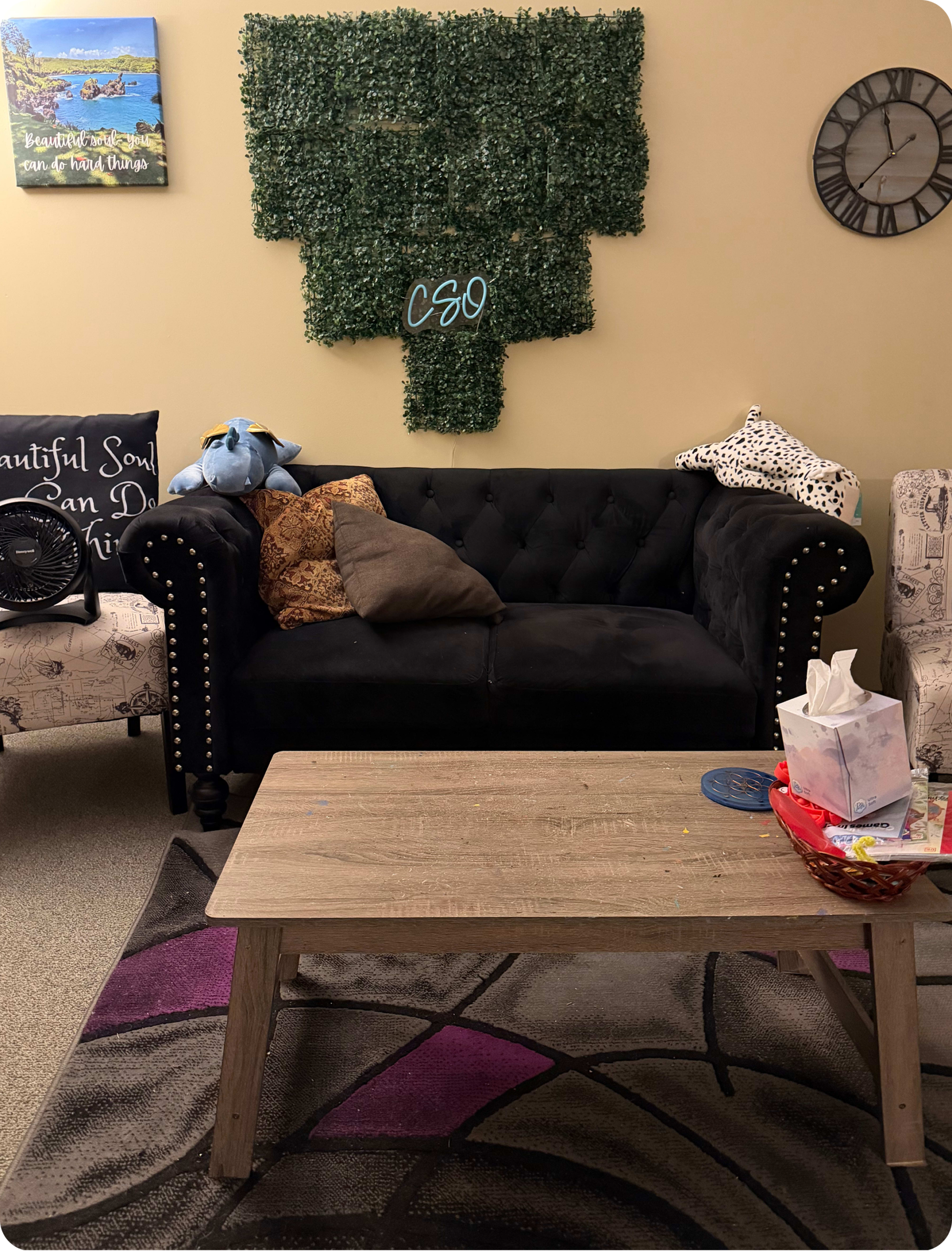
Visit us at our physical clinic location. We’re here to ensure a therapy experience that is fit for your needs. Use the map to find our location and plan your visit.